


In hospitals, environmental safety is not limited to infection risk but also includes structural safety. Leaks, flooding, and water infiltration can cause structural damage, compromise the health of patients and visitors, increase management costs, and require extraordinary maintenance work. In this context, preventing water leaks becomes a priority. Solutions such as smart detectors or anti flooding devices serve as effective tools to ensure safety, savings, and operational continuity.
Why Water Leaks Are Particularly Critical in Hospitals
Hospitals are environments full of “targets” that would be severely affected by water damage. Some examples include:
• Fragile individuals, often with compromised immune systems, who cannot stay in humid environments or areas affected by flooding.
• Expensive machinery and equipment that could be damaged.
• Buildings, often historic, containing numerous electrical systems, sensors, servers, and control units.
Beyond comfort and habitability, healthcare facilities must comply with strict hygiene and sanitary standards, which leaks or humidity can violate. Flooding or infiltration can interrupt clinical activities, block patient areas, and create health hazards (slippery surfaces, contamination, mold). Structural damage and the replacement or repair of systems are not only costly but may interrupt services for long periods, with timelines potentially extended if legal proceedings are underway to determine liability.

Anti Flooding Solutions for Hospitals
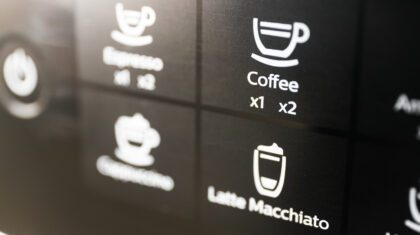
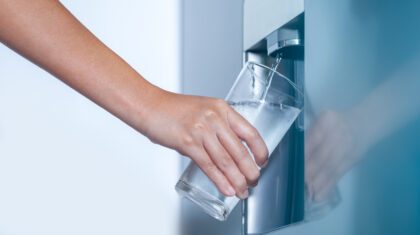
Securing the most vulnerable points of hospital facilities helps reduce risks and damage caused by water leaks. Point of use anti flooding devices can help protect the hospital by monitoring utilities connected to water dispensers, coffee machines, and refrigerators with water dispensers.
Eltek’s WATERBLOCK and E WATERBLOCK devices prevent leaks from these utilities.
WATERBLOCK is a mechanical device that monitors water volume (5–50 liters) and stops the flow when the configured limit is exceeded. It does not require electrical power, ensuring operation even during blackouts. Installation is simple and does not require special tools.
E-WATERBLOCK is a smart electronic device that detects both micro and macro leaks. It is available in different versions equipped with various communication protocols (Bluetooth, LoRaWAN), allowing connection to the Eltek App or the Eltek Web Portal to customize settings and monitor the water consumption of the connected appliance.
These devices are ideal for critical areas such as kitchens, laundries, rooms equipped with water using appliances, and beverage dispensers. Thanks to the immediate shutoff of water flow, they prevent flooding damage to medical equipment, walls, and floors, reducing repair costs. Their preventive function helps reduce water waste, optimize maintenance operations, and keep environments dry. Smart models enable remote monitoring, allowing faster interventions and efficient management even in facilities with multiple sites or large dimensions.
Best Practices to Prevent Flooding at Structural and Operational Levels
In addition to installing anti flooding devices, it is essential to adopt procedures and design choices that reduce risk, such as:
• System mapping: identifying all critical points where leaks may occur—pipes under floors, fittings, appliances, HVAC systems, restrooms, etc.
• Preventive maintenance and regular inspections: checking seals, joints, faucets, performing leak tests, and periodically verifying water flow.
• Design with appropriate materials: pipes, joints, and valves resistant to corrosion; low wear materials; system layouts that allow easy access for quick repairs.
• Alarm systems and continuous monitoring: sensors that detect humidity or hidden flooding; integration with centralized systems (facility management) for immediate intervention.
• Staff training: operators and maintenance personnel must know how to recognize signs of infiltration, close valves, activate anti flooding devices, and reset them.
• Emergency and risk management plans: procedures for malfunctions or major leaks, ensuring they are well documented and tested.
Preventing water leaks is not only a technical or financial issue: it is a matter of safety, health, comfort, and environmental responsibility. For hospitals, adopting reliable devices, implementing good maintenance practices, and establishing a well defined risk management plan significantly reduces damage, costs, and operational disruptions.
Blog & News




Follow us on social media
Linkedin
Instagram
Facebook